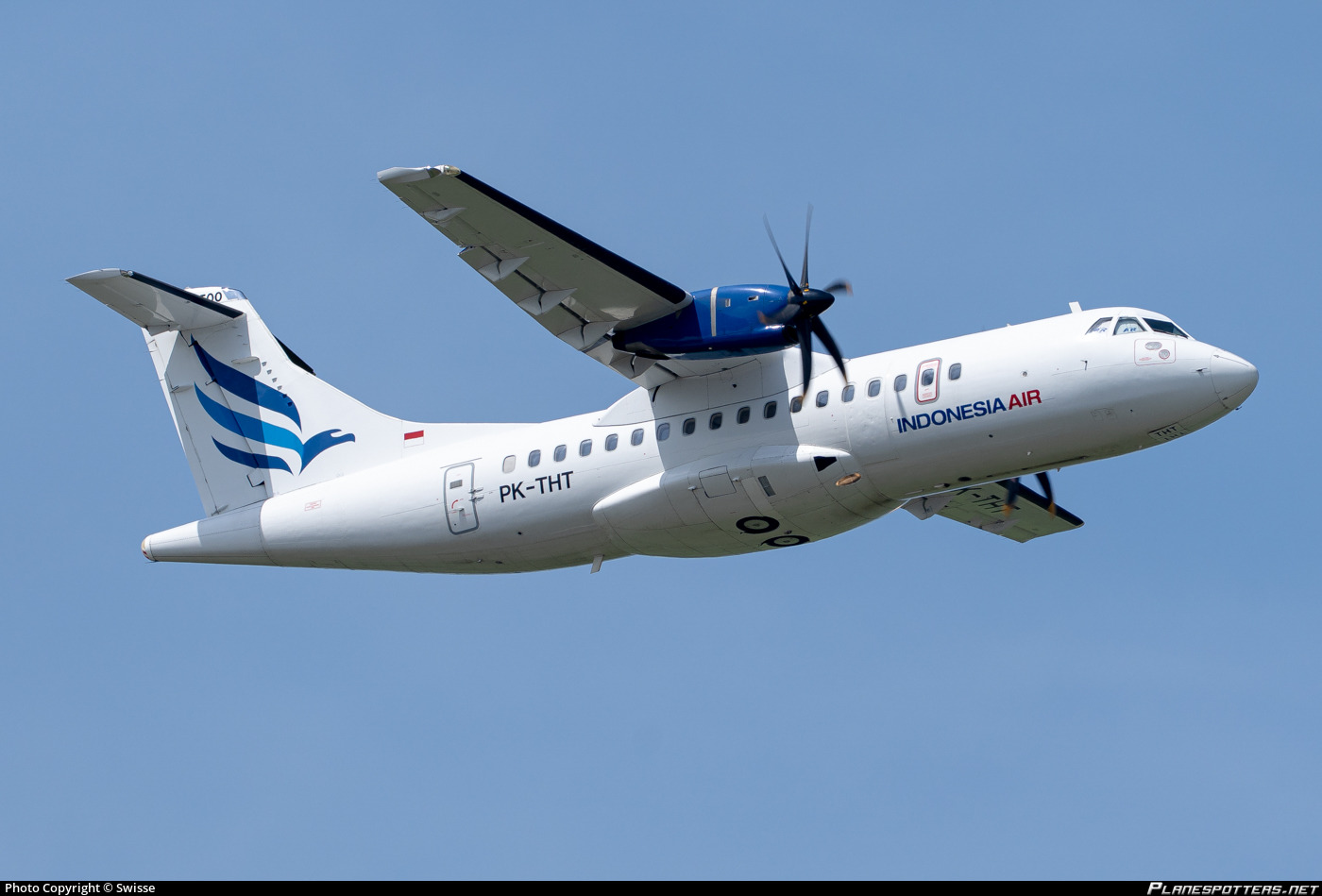
On January 17, 2026, tragedy struck Indonesia’s aviation sector when an ATR 42-500 aircraft operated by Indonesia Air Transport (IDA) crashed en route from Yogyakarta to Makassar.
The aircraft, registered PK-THT, disappeared from radar and radio contact during its approach to Makassar’s Sultan Hasanuddin International Airport.
All 11 people on board were confirmed dead after the wreckage was located near the peak of Mount Bulu Saraung in South Sulawesi.
The Flight and Final Moments in Indonesia…
According to Indonesia’s Civil Aviation Authority, the aircraft had been cleared for an approach to runway 21 at Makassar.
However, air traffic controllers noticed the aircraft was not aligned with the correct approach path and issued instructions to redirect it.
Shortly after, radar and radio contact was lost approximately 11 nautical miles northeast of the runway threshold.
Local residents in the Leang-Leang area reported hearing an explosion around the time of the last contact and observed smoke rising from the mountainside.
Search and rescue teams later confirmed the aircraft had impacted terrain within the Bantimurung Bulusaraung National Park, specifically at Mount Bulu Saraung, which rises to 5,135 feet above mean sea level.
The crash site was difficult to access due to fog and rain, complicating recovery efforts.
Aircraft History and Configuration
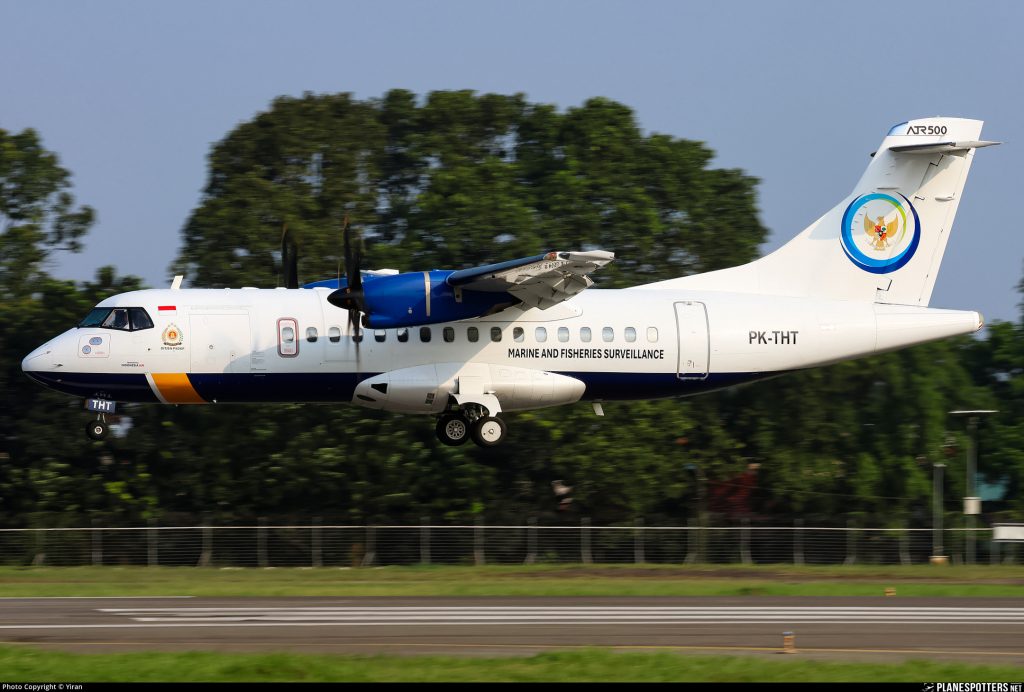
The ill-fated aircraft bore a long operational history. Built in Toulouse, France, as an ATR 42-500 with manufacturer serial number 611, it first flew on October 10, 2000.
Initially registered as I-ADLZ, it was delivered to Air Dolomiti in Italy on March 23, 2001, configured with 46 passenger seats (Y46).
In July 2010, it was transferred to Indonesia Air Transport and retained the same configuration until April 2025, when it was reconfigured for airborne surveillance duties.
In March 2025, the aircraft began operating under the Marine and Fisheries Resources Surveillance (PSDKP) division, though still managed by Indonesia Air Transport.
The reconfiguration marked a shift from commercial passenger service to specialized surveillance missions, likely involving maritime monitoring and resource protection.
The aircraft was powered by two Pratt & Whitney Canada PW127E engines and carried the hex code 8A0239.
Terrain and Weather Challenges
The region surrounding Makassar is known for its rugged topography, with mountainous terrain posing significant challenges to flight operations.
The final radar coordinates placed the aircraft near Mount Bulu Saraung, a peak that towers above the surrounding landscape.
While METAR reports from Makassar airport indicated generally clear conditions with scattered clouds at 1,700 feet, the crash site was located roughly 15 miles away, where localized weather phenomena may have differed significantly.
The possibility of Controlled Flight Into Terrain (CFIT) has been raised by aviation observers, given the aircraft’s descent into high terrain while on approach. CFIT accidents typically occur when an airworthy aircraft, under pilot control, inadvertently flies into terrain due to navigational errors, poor situational awareness, or environmental factors.
Some commentators have questioned whether the aircraft’s Enhanced Ground Proximity Warning System (EGPWS) was functioning or heeded, though this remains speculative pending investigation.
ATR’s Response to The Indonesia Air Transport Crash…
ATR, the manufacturer of the aircraft, issued a statement on the day of the crash expressing condolences and confirming its involvement in supporting the investigation.
“ATR has been informed that an accident occurred in Indonesia involving an ATR 42-500.”
“Our first thoughts are with all the individuals affected by the accident. The ATR specialists are fully engaged to support both the investigation led by the Indonesian authorities and the operator.”
The Toulouse-based manufacturer emphasized its commitment to safety and innovation, noting that ATR aircraft are operated by over 200 airlines in more than 100 countries.
The ATR 42-500, part of its flagship regional turboprop family, is known for its fuel efficiency and versatility, particularly in challenging environments like Indonesia’s archipelagic terrain.
Broader Implications
The crash of PK-THT is a sobering reminder of the complexities of operating in mountainous regions with variable weather and limited navigational infrastructure.
Indonesia’s aviation sector has made strides in safety oversight in recent years, but terrain-induced risks remain a persistent challenge.
The incident also highlights the importance of terrain awareness systems and pilot training in CFIT prevention.
For Indonesia Air Transport, the loss of PK-THT is particularly significant. The airline operates a small fleet, and this aircraft was one of only three in service.
Its transition from passenger operations to surveillance missions under PSDKP reflected a strategic pivot toward government and resource protection roles.
The crash not only affects the airline’s operational capacity but also raises questions about mission planning and risk mitigation in surveillance flights over remote terrain.
Investigation and Next Steps in Indonesia…
As of January 17, search and rescue operations were ongoing, with teams working through adverse conditions to recover remains and secure the crash site.
Indonesian authorities, supported by ATR and other stakeholders, are expected to launch a full investigation into the causes of the accident.
Key areas of focus will likely include flight path deviation, terrain awareness systems, crew decision-making, and weather conditions at the time of impact.
The aviation community awaits further details, but early indications suggest a tragic convergence of navigational error and unforgiving terrain.
Whether mechanical failure, human factors, or environmental conditions played the dominant role remains to be seen.
The crash of PK-THT marks a dark chapter in Indonesia’s aviation history.
As investigations unfold, the hope is that lessons learned will lead to improved safety protocols, especially for flights operating in complex topographies.
ATR’s involvement in the inquiry and its broader commitment to safety innovation may play a crucial role in shaping future safeguards.
For now, the focus remains on honouring the victims and supporting their families, while the aviation world watches closely for answers.
Continue to follow The Aviation Hub for more analysis and insight!