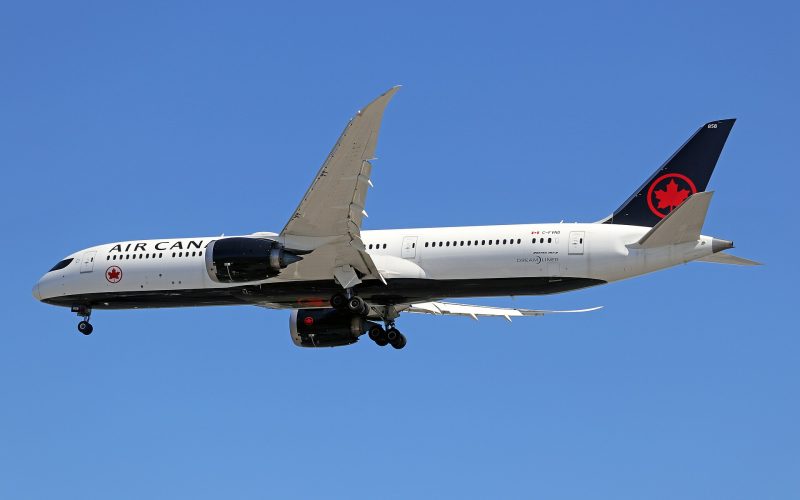

Air Canada has entered a pivotal leadership transition as President and Chief Executive Officer Michael Rousseau announces his intention to retire by the end of the third quarter of 2026.
The move marks the close of a nearly 20‑year tenure that has shaped the airline’s financial resilience, strategic direction, and global standing.
Rousseau will continue to lead the company and serve on its Board until his departure, ensuring continuity during what the airline describes as a carefully managed succession process.
A Planned Transition Years in the Making
According to the Board of Directors, Rousseau’s retirement is not a sudden development but the culmination of a long‑running succession strategy.
For more than two years, Air Canada has been developing internal talent through a structured leadership program aimed at preparing high‑potential executives for senior roles.
In parallel, the Board initiated an external global search in January 2026 to broaden the field of candidates capable of leading Canada’s flag carrier into its next chapter.
The Board has outlined several performance criteria for the next CEO, including the ability to communicate in French, a reflection of Air Canada’s Montréal headquarters and its national identity.
Rousseau has agreed to remain available beyond his tenure to support a smooth handover, underscoring the airline’s emphasis on stability during the transition.
Air Canada CEO Michael Rousseau: A Legacy Defined by Crisis Leadership and Strategic Wins
Rousseau’s time at Air Canada spans some of the most turbulent periods in modern aviation.
As Chief Financial Officer, Deputy CEO, and ultimately CEO, he played a central role in steering the airline through the 2007–2008 financial crisis, the unprecedented disruption of the COVID‑19 pandemic, and other industry‑wide challenges.
Board Chair Vagn Sørensen praised Rousseau’s “determined leadership,” highlighting achievements such as the acquisition of Aeroplan, the restoration of pension plan solvency, and the advancement of customer‑centric and employee‑wellbeing initiatives.
“Our upcoming AGM will allow us to further recognize his achievements which include a legacy of financial strength,” Sørensen said.
Rousseau himself reflected on the privilege of leading the airline and representing it on the global stage, including his roles with Star Alliance and the International Air Transport Association.
“It has been my great honour to work with the dedicated and talented people of Air Canada,” he said, adding that he looks forward to supporting the company throughout the transition.
A Search Shaped by Global Expertise
To guide the selection of its next chief executive, Air Canada has enlisted two of the world’s leading organizational consulting firms: Egon Zehnder and Korn Ferry.
Their involvement signals the Board’s intent to cast a wide net and benchmark candidates against global best‑in‑class leadership standards.
The combination of internal development and external search suggests the Board is open to a range of profiles, from seasoned airline executives to transformative leaders from adjacent industries.
With the airline industry undergoing rapid technological, environmental, and competitive shifts, the next CEO will inherit both a strengthened foundation and a demanding strategic agenda.
What Comes Next for Air Canada…
Rousseau’s departure comes at a moment when Air Canada is balancing post‑pandemic recovery with long‑term modernization.
Fleet renewal, sustainability commitments, digital transformation, and competitive pressures across North America and Europe will all shape the mandate of the next chief executive.
The Board’s structured approach indicates a desire for continuity, but also an openness to fresh perspectives capable of accelerating growth and innovation.
As the search progresses, industry observers will be watching closely to see whether Air Canada opts for an internal candidate steeped in the airline’s culture or a global leader who brings new strategic energy.
What is clear is that Rousseau leaves behind a company more financially resilient and strategically positioned than when he took the helm.
His successor will inherit both the benefits of that legacy and the responsibility of guiding Air Canada through the next era of transformation.
Continue to follow The Aviation Hub for more analysis and insight!
Advertise with us Your brand, in front of an aviation audience Home page and in-article placements, sold directly, one advertiser per slot. From £250 a year. See the rates