Chaos in Palma de Mallorca: Air Europa Flight Suffers Incident
 By The Aviation Hub
3 min read
By The Aviation Hub
3 min read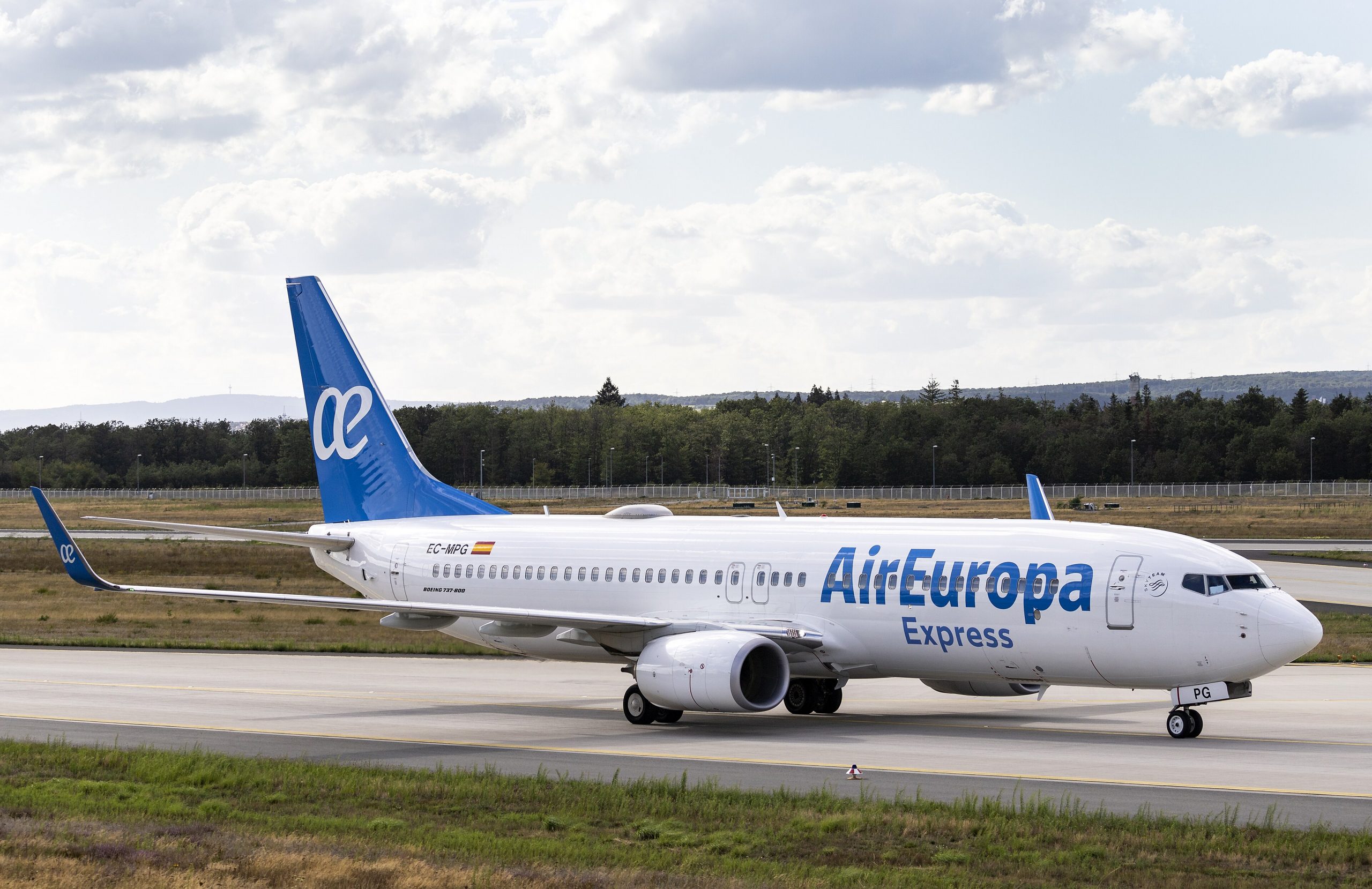
An Air Europa flight suffered a significant incident at Palma de Mallorca, caused by a bird strike.
An Air Europa Boeing 737-800, registration EC‑MPG, operating flight UX‑6079 from Madrid to Palma Mallorca, experienced a bird strike during its final approach to runway 06L at Palma Mallorca Airport.
The impact struck the aircraft’s nose gear, damaging the steering mechanism.
Despite the damage, the aircraft touched down normally but veered to the right during rollout, exiting the runway at approximately 55 knots before coming to a stop on a high‑speed turnoff opposite the runway.
Emergency services responded swiftly, and passengers disembarked safely after the aircraft was towed to the apron.
Sequence of Events in Palma de Mallorca
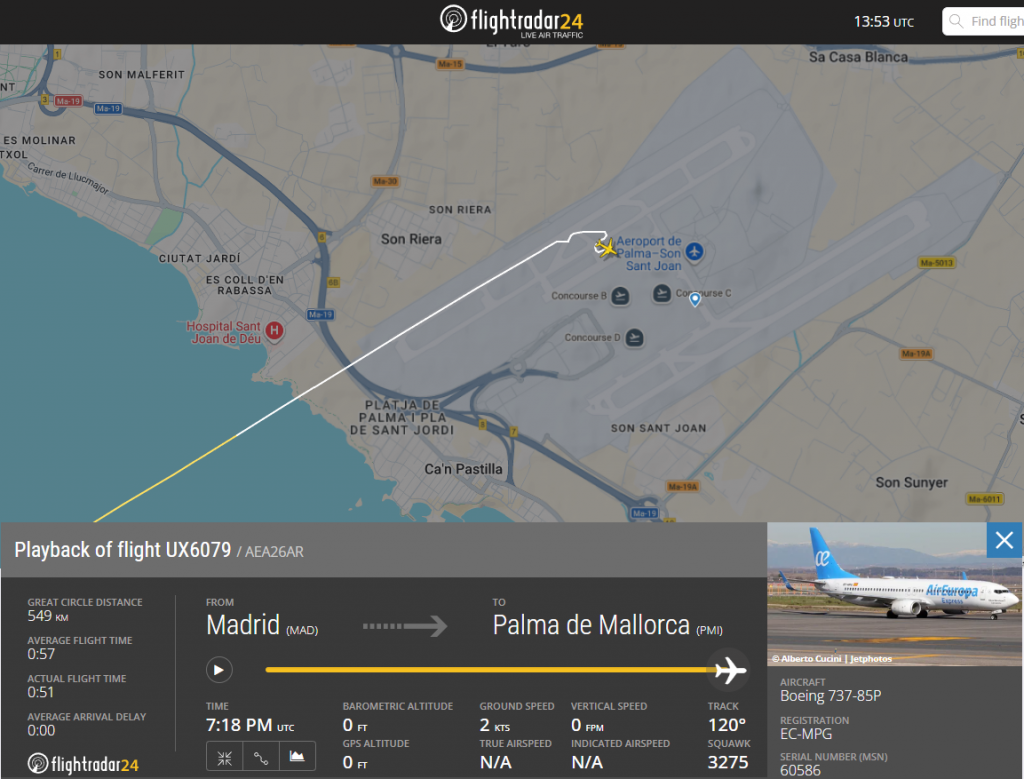
According to ADS‑B data, the touchdown appeared routine, with the deviation occurring as the aircraft decelerated.
The data shows a gradual drift to the right, culminating in the runway excursion.
The aircraft remained stationary for around 40 minutes before being moved.
Local media initially reported that the aircraft had lost a wheel upon landing, a claim later linked to the damage caused by the bird strike rather than a mechanical failure.
Aircraft Details
The aircraft involved, EC‑MPG, is a Boeing 737‑85P(WL) with manufacturer serial number 60586 and line number 6432.
It first flew on 5 June 2017 and was delivered to Air Europa shortly thereafter.
Powered by two CFM56‑7B26E engines, the aircraft has operated under both Air Europa and Air Europa Express, leased from GOAL.
It currently carries the name César Manrique Lanzarote W and remains active in the fleet.
The airframe’s history reflects a well‑maintained operational record, typical of Air Europa’s narrow‑body fleet.
Aftermath and Recovery in Palma de Mallorca
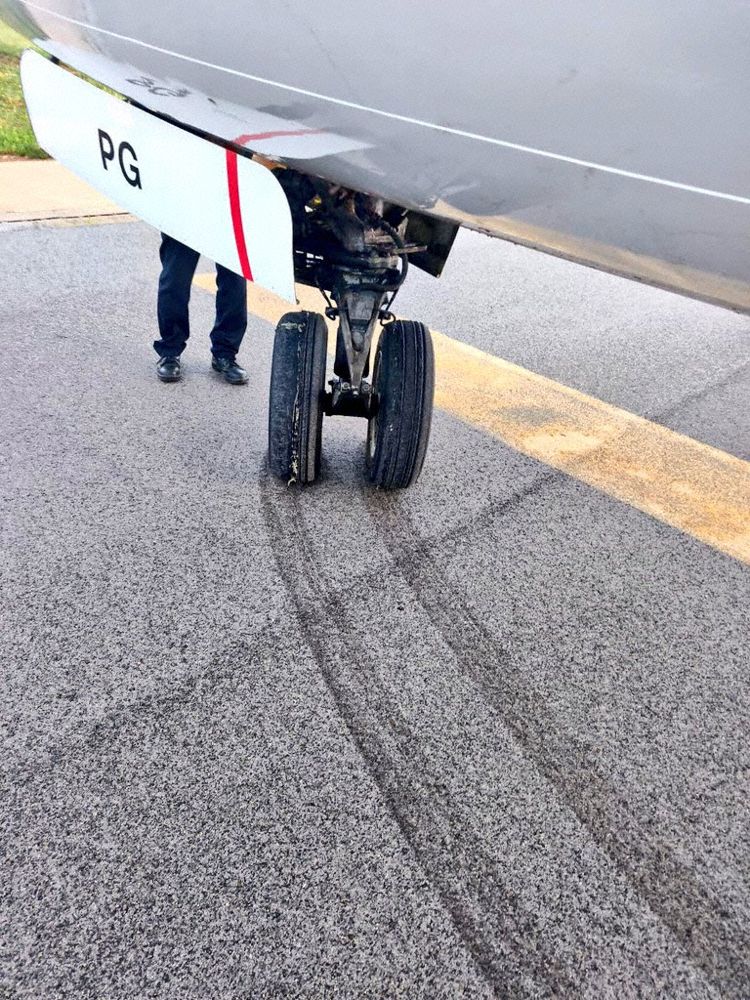
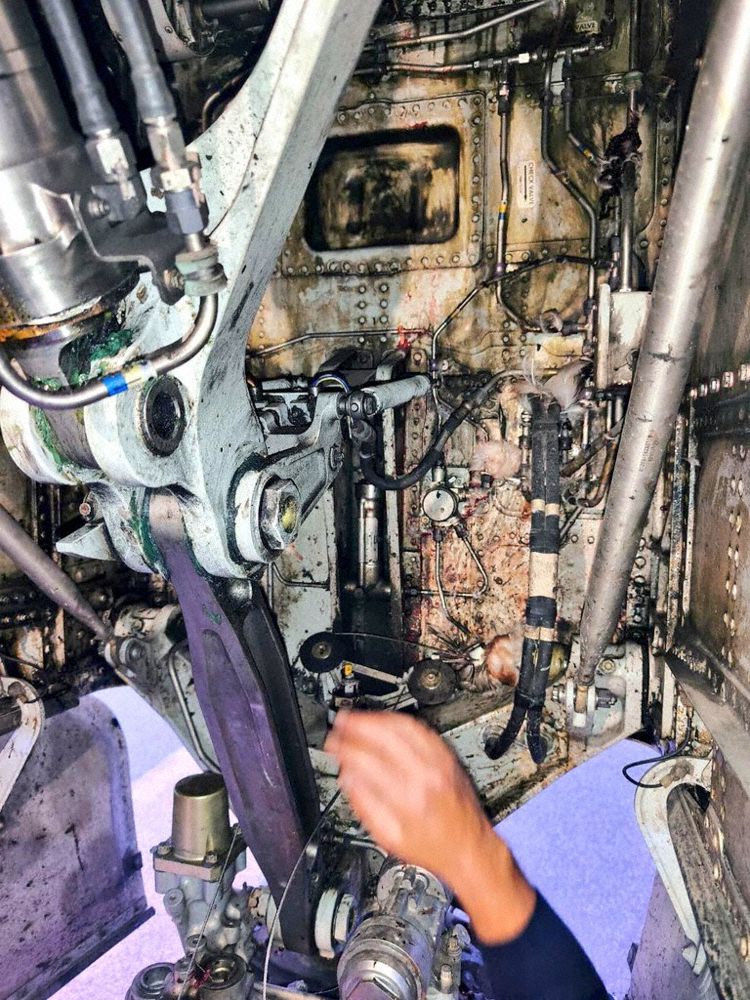
Following the incident, the aircraft was grounded in Palma Mallorca for approximately 20.5 hours while maintenance teams assessed and repaired the damage.
The left‑hand nose tyre was confirmed damaged, consistent with the steering mechanism failure.
Once cleared, the aircraft returned to service without further issues. The prompt recovery underscores Air Europa’s robust maintenance and safety protocols.
Bird strikes remain a persistent hazard in aviation, particularly during approach and landing phases when aircraft operate at lower altitudes.
Palma de Mallorca’s coastal location increases exposure to migratory bird activity, making such events more likely.
The swift response from emergency services and the controlled handling of the situation highlight the professionalism of Air Europa’s crew and ground teams.
The Air Europa Boeing 737‑800 incident at Palma Mallorca serves as a reminder of the unpredictable nature of wildlife hazards in aviation.
While the damage was limited to the nose gear and tyre, the event demonstrates the importance of rigorous maintenance procedures and rapid emergency coordination.
The aircraft’s prompt return to service reflects Air Europa’s operational resilience and commitment to safety, hallmarks of its reputation within European aviation.
Continue to follow The Aviation Hub for more analysis and insight!
Advertise with us Your brand, in front of an aviation audience Home page and in-article placements, sold directly, one advertiser per slot. From £250 a year. See the rates