How United Airlines Will Surge in Size Over The Next Two Years
 By The Aviation Hub
6 min read
By The Aviation Hub
6 min read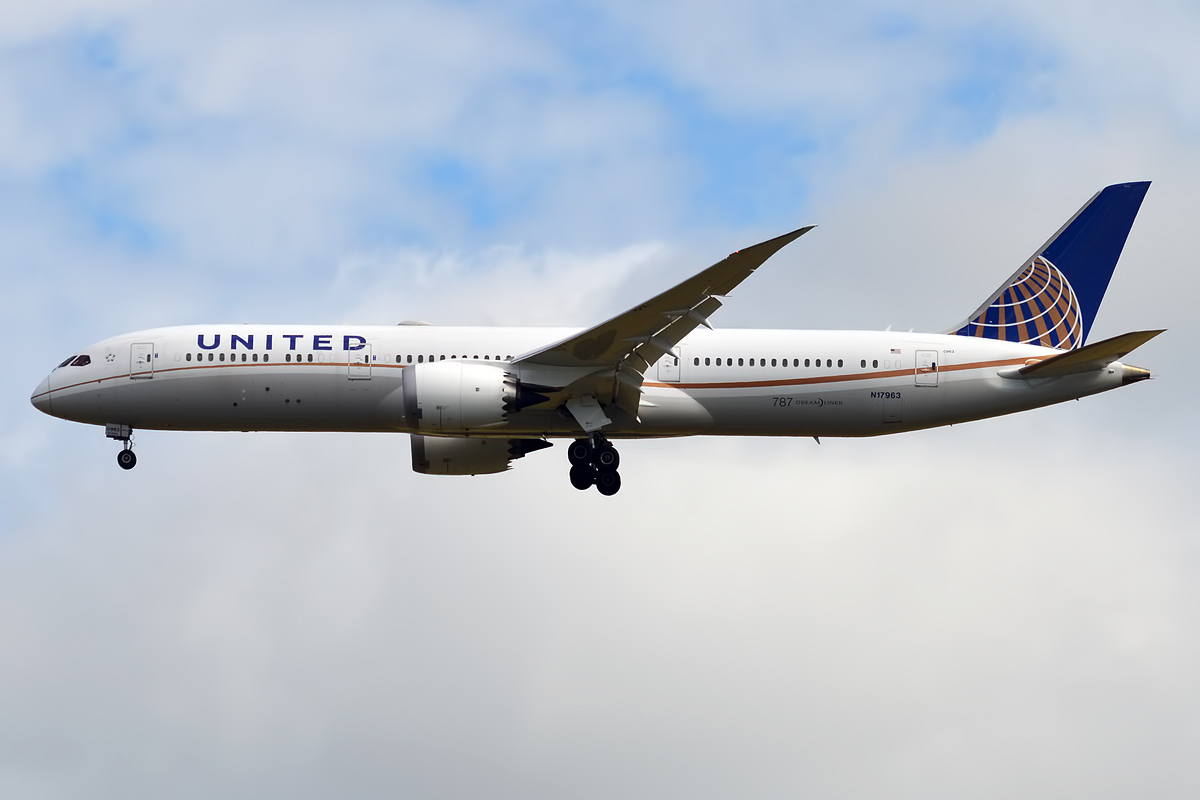
United Airlines has entered the next, and arguably most transformative, phase of its United Next strategy.
The carrier has already spent the past five years reshaping its fleet, its onboard product, and its network footprint.
Now it is preparing for a scale of growth unmatched by any U.S. airline in modern history.
As United states in its latest announcement, it expects to take delivery of “more than 250 new aircraft by April 2028 – the most by any airline in a two‑year period” .
This is not incremental expansion.
It is a structural shift in how United intends to compete: with more premium seats, more long‑range narrowbodies, more widebodies, and a regional fleet that looks and feels nothing like the 50‑seat jets of the past.
The next two years will redefine United’s identity, both for domestic travelers and for those connecting across its global network.
The Coastliner: A New Domestic Flagship at United Airlines…
One of the most striking elements of United’s plan is the introduction of the Airbus A321neo Coastliner, a subfleet designed specifically for transcontinental flying between Los Angeles, San Francisco, and Newark.
United describes the aircraft as “custom designed to give transcontinental customers an even better experience” with an all‑new interior from nose to tail and “20 new, all‑aisle access lie‑flat seats in United Polaris” .
This is a watershed moment for the U.S. domestic market.
For the first time, United will offer its full Polaris experience, including Saks Fifth Avenue bedding, Perricone MD skincare, and access to Polaris lounges, on domestic routes.
The Coastliner’s bespoke livery and onboard snack bar further signal that United wants this aircraft to stand out visually and experientially.
United expects 40 Coastliners to be in service by early 2028, with the first entering the schedule this summer.
Given that more than 10,000 passengers travel daily between these West Coast hubs and Newark, the Coastliner is poised to become a high‑visibility symbol of United’s premium ambitions.
A321XLR: Replacing the 757 and Opening New Horizons
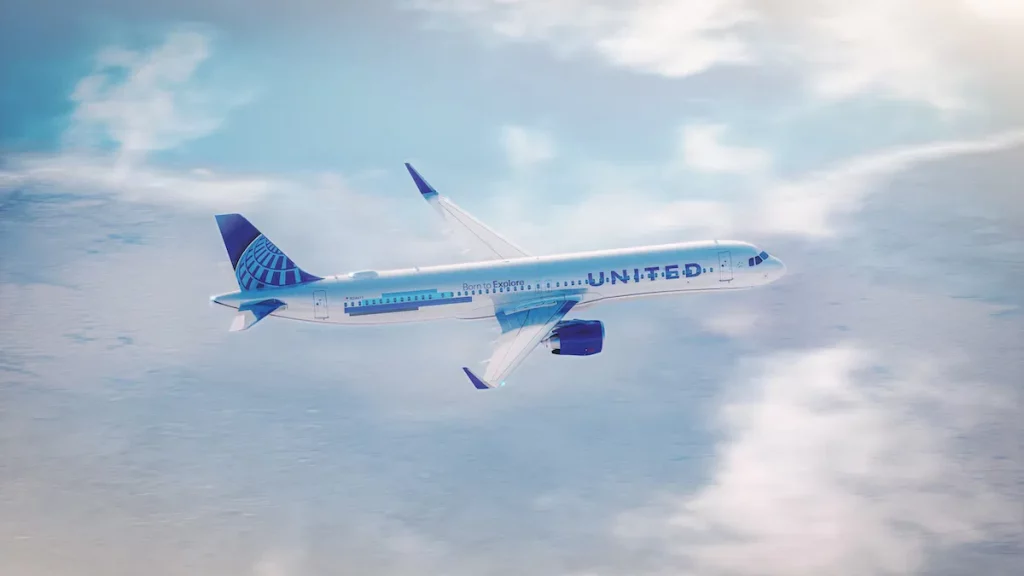
United’s long‑range narrowbody strategy takes another leap with the Airbus A321XLR.
The airline will introduce 28 of these aircraft by 2028, with the first entering service later this year.
The A321XLR will replace the Boeing 757 on existing routes to smaller European and South American cities, while also enabling new destinations that were previously out of reach.
The aircraft features 32 premium seats—“16 more than the 757s it replaces”—and introduces a new Polaris suite with privacy doors, 4K screens, and Bluetooth connectivity.
United will debut the type with a “Born to Explore” decal, underscoring its role as a route‑opening workhorse.
For United, the A321XLR is not just a replacement aircraft.
It is a strategic tool that allows the airline to deepen its presence in secondary international markets without relying on widebodies.
As competition intensifies across the Atlantic and into South America, this flexibility will be invaluable.
CRJ450: Reinventing the Regional Jet
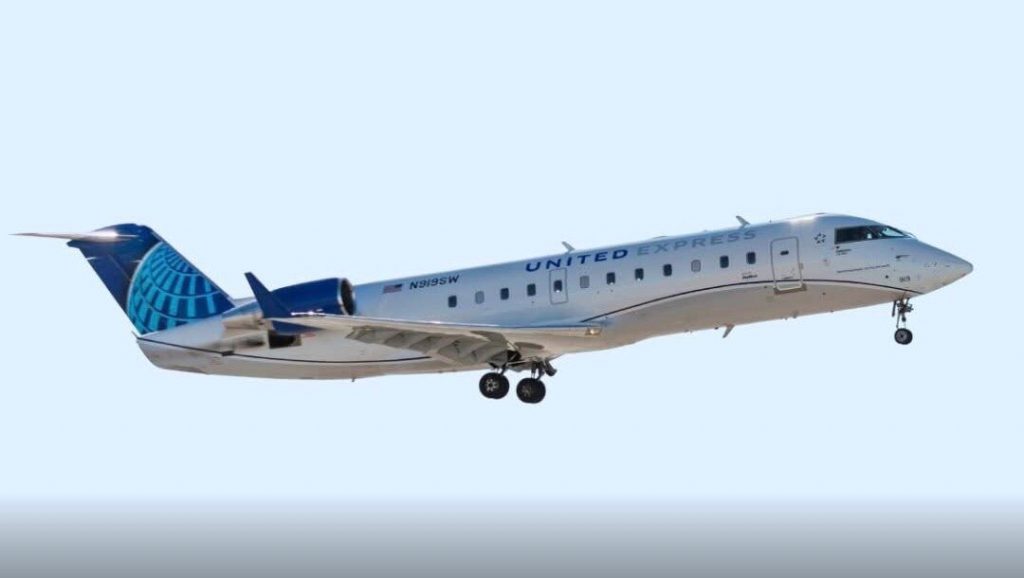
United’s regional fleet has been undergoing a quiet revolution since the introduction of the CRJ550 in 2019.
Now the airline is doubling down on that strategy with the new CRJ450, a 41‑seat aircraft designed to feel more like a private jet than a traditional regional airliner.
In a first for a U.S. carrier, United has removed overhead bins in the First cabin and replaced them with a luggage closet, creating what it calls a “spacious, airy environment”.
Economy passengers benefit from bins large enough for rollaboards, rare on aircraft of this size, and all travelers get free Starlink Wi‑Fi if they are MileagePlus members.
The CRJ450 will begin connecting smaller cities to Denver and Chicago this fall.
By 2028, United expects to operate more than 50 CRJ450s and nearly 120 CRJ550s, giving the airline a uniquely premium regional footprint.
The 787‑9 Elevated: A New International Flagship For United Airlines…
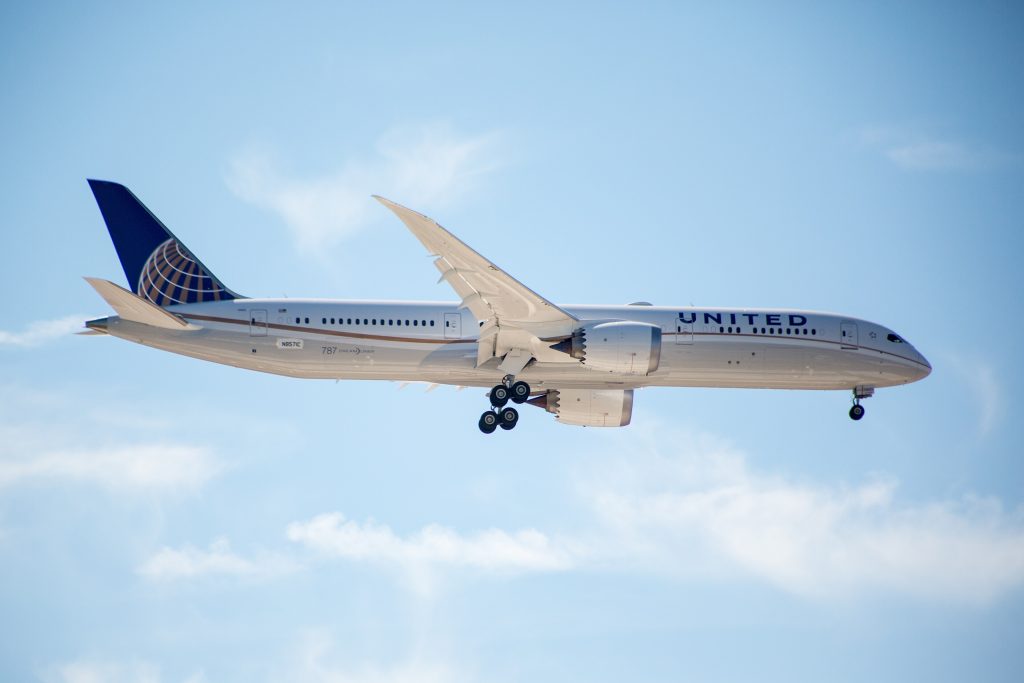
United’s widebody transformation continues with the arrival of the Boeing 787‑9 featuring the new Elevated interior.
The aircraft represents a complete redesign across all cabins, anchored by the debut of United Polaris Studio lie‑flat suites that are “25% larger than the standard United Polaris seat” and include privacy doors, companion ottomans, wireless charging, and 27‑inch 4K OLED screens, the largest among U.S. carriers.
With 99 premium seats, this is the most premium‑heavy aircraft in United’s fleet.
The first international route will be San Francisco to Singapore beginning April 22, with additional aircraft entering service through 2028.
The Elevated interior is more than a refresh.
It is a statement of intent: United wants to compete at the very top of the global premium market, and it is willing to invest heavily to get there.
A Fleet Growing at Unprecedented Speed
United’s order book is staggering in scale. Between now and April 2028, the airline expects to add:
- 47 Boeing 787‑9 Dreamliners
- 40 Airbus A321neo Coastliners
- 28 Airbus A321XLRs
- 119 Boeing 737 MAX aircraft
- 18 additional A321neos
These deliveries build on a period of rapid expansion since 2021, during which United has added 22 Dreamliners, 237 737 MAX aircraft, and 67 A321neos, while completing 70% of its narrowbody retrofit program.
As the press release notes, United has also “increased premium seats per North American departure by 40%” and hired more than 60,000 people during this period.
No other U.S. airline is growing its fleet or its premium footprint at this pace.
A Premium Strategy at Every Level For United Airlines…
United’s growth is not limited to aircraft.
The airline is investing across the customer journey, from free Starlink Wi‑Fi for MileagePlus members to new amenity kits, upgraded blankets and earbuds, and a significantly expanded food and wine program.
Within two years, United Airlines expects to have more than 227,000 seatback screens across 1,200 aircraft, supported by a content library that includes major studio partnerships.
The strategy is clear: United Airlines wants to be the premium airline for every type of traveler, whether they are flying Basic Economy to a regional destination or Polaris to Singapore.
The Next Two Years Will Define United’s Future
United Airlines’ surge in size is not simply about adding aircraft.
It is about reshaping the airline’s identity, elevating the customer experience, and positioning itself as the most premium‑focused U.S. carrier.
With new narrowbodies that feel like widebodies, new widebodies that push the premium envelope, and a regional fleet unlike anything else in the market, United is betting big on differentiation.
If the airline executes this plan as aggressively as it has announced it, the next two years will mark one of the most significant growth periods in U.S. aviation history, and a defining chapter in United’s evolution.
Continue to follow The Aviation Hub for more analysis and insight!
Advertise with us Your brand, in front of an aviation audience Home page and in-article placements, sold directly, one advertiser per slot. From £250 a year. See the rates