
With Spirit Airlines collapsing due to it’s continued financial woes, what now for U.S travellers as a major ULCC player has disappeared from the map?
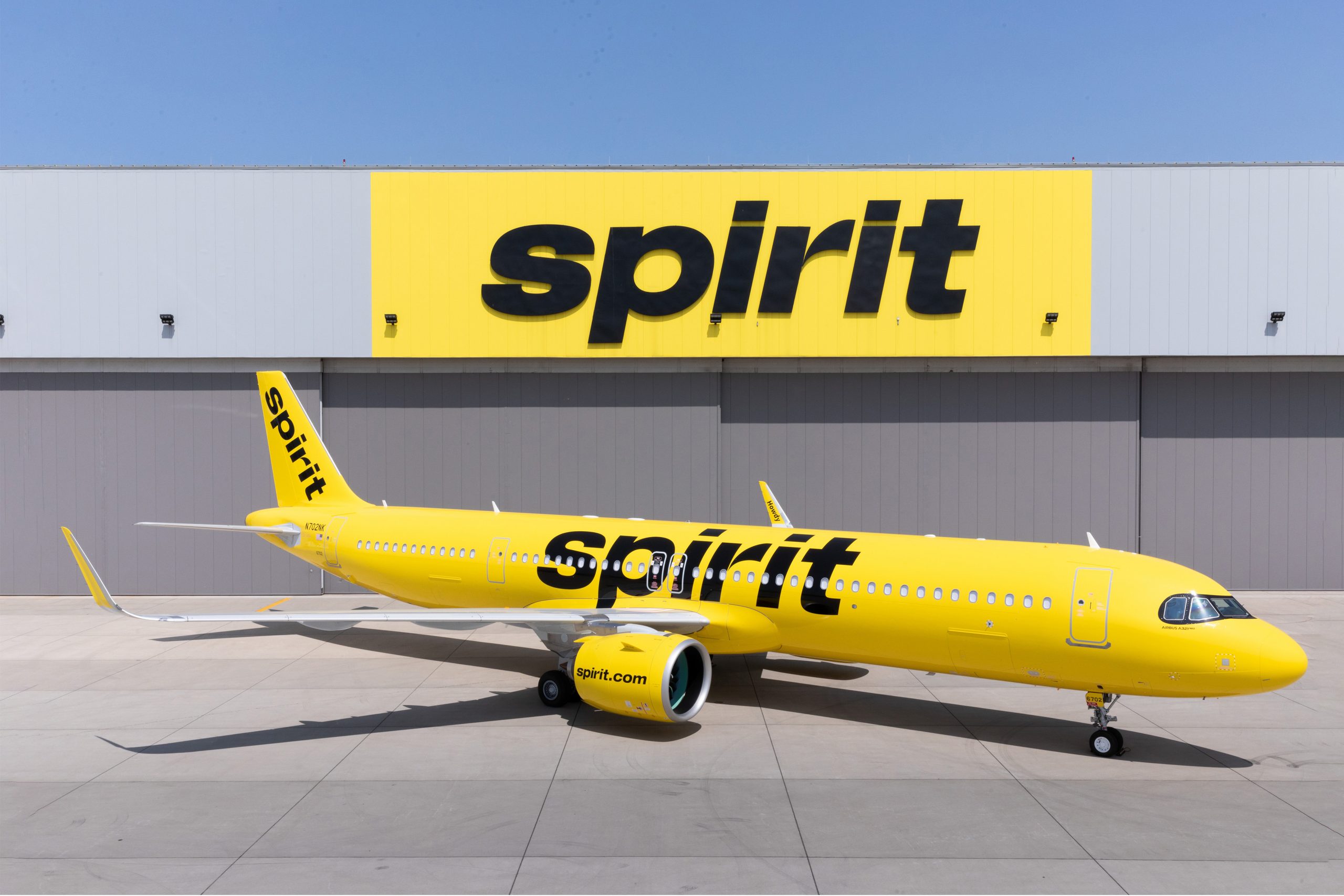
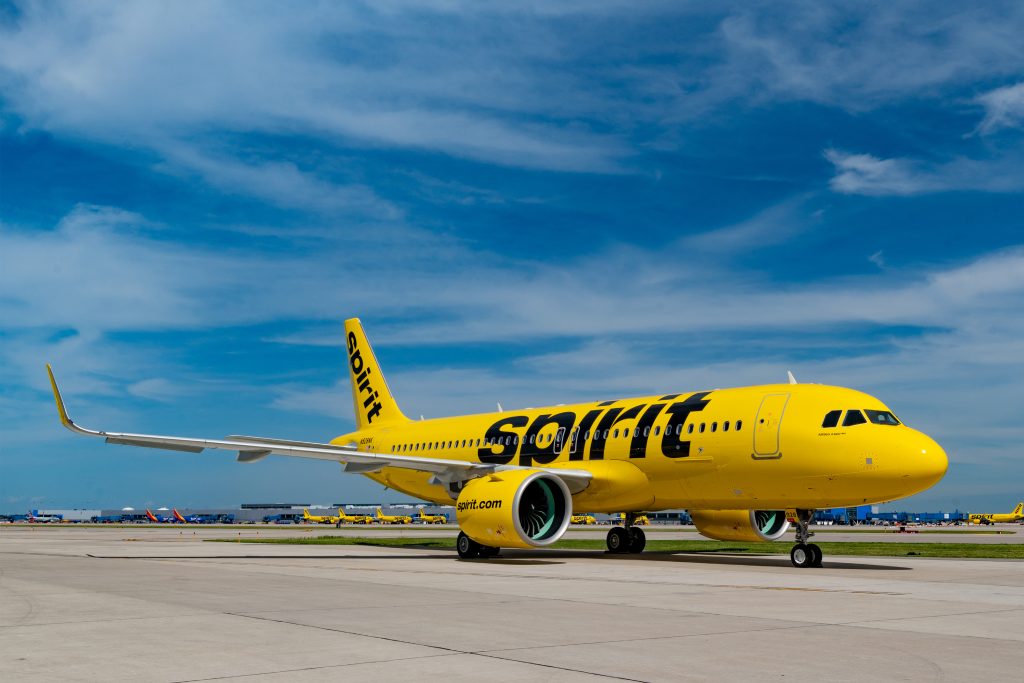
Spirit Airlines has ceased operations after last‑minute rescue talks with the Trump administration collapsed, ending the carrier’s decades‑long run as one of the United States’ largest ultra‑low‑cost airlines.
In a statement posted early Saturday morning, the airline said with “great disappointment” it had “started an orderly wind‑down of our operations, effective immediately,” adding that “all Spirit flights have been cancelled, and Spirit Guests should not go to the airport.”
The shutdown marks one of the most abrupt failures of a major U.S. airline in modern aviation history.
Passengers awoke to overnight notifications, confused app alerts and, in many cases, no communication at all.
Some still arrived at airports with luggage in hand, unaware that the airline they were flying with no longer existed.
Spirit’s customer service lines were disconnected.
Refunds for credit and debit card purchases will be processed automatically, but compensation for vouchers, credits and loyalty points will be determined by the bankruptcy court.
The airline also confirmed it cannot reimburse emergency hotel stays or replacement flights.
Spirit Airlines: A Carrier That Was Already Under Strain
Spirit entered 2026 in a fragile state.
The airline had been navigating its second bankruptcy in recent years and was attempting to restructure its fleet, network and cost base.
CEO Dave Davis said the company had reached an agreement with bondholders in March that would have allowed it to emerge as a viable business.
But the sudden spike in jet fuel prices following the US‑Israel strikes in Iran pushed the carrier beyond recovery.
“The sudden and sustained rise in fuel prices in recent weeks ultimately has left us with no alternative but to pursue an orderly wind‑down of the company,” Davis said.
Fuel accounts for up to 40 percent of an airline’s operating costs, and prices have doubled since late February.
For an ultra‑low‑cost carrier built on razor‑thin margins, the surge was catastrophic.
Yet not everyone accepts fuel as the decisive factor. Transportation Secretary Sean Duffy argued that Spirit’s problems were long‑standing and structural.
“Spirit was in dire straits long before the war with Iran,” he said, adding bluntly: “Their model wasn’t working.”
Passengers Caught in the Middle
The abruptness of the shutdown left thousands of travellers scrambling.
One passenger, Yash Kothari, told CBS News he only learned of the shutdown when he arrived at Philadelphia International Airport for a 05:45 departure.
“The email came in at 1 am, so I was unaware,” he said.
Another traveller told the BBC she initially thought the Spirit app had been hacked when she received a middle‑of‑the‑night notification that all flights were cancelled.
After realising the news was real, she rushed to book a replacement flight. She eventually secured a Frontier ticket for $180, significantly more than the $108 she had paid for her Spirit round‑trip.
Her reaction captured a broader sentiment: “I feel a lot of sadness for Spirit employees. And a lot of sadness for what this whole situation implies for the middle class. I realistically can’t afford to buy flights that might be cancelled and rescheduled.”
Major U.S. carriers including Delta, United, American and Frontier have introduced “rescue fares” to help stranded passengers, but availability is limited and prices remain elevated.
Analysts Say the Spirit Airlines Collapse Was Years in the Making
Aviation analysts have long questioned whether Spirit’s model could survive in a post‑pandemic, high‑cost environment.
Savanthi Syth of Raymond James said the airline avoided the radical overhaul it needed during its 2024 bankruptcy and entered 2026 still structurally weak. The fuel crisis, she said, was “the final nail in the coffin.”
Spirit had begun scaling back flights and reducing its fleet, but its ability to survive the year was already in doubt.
“If it wasn’t for the fuel scenario, they would have been okay through the summer,” Syth said.
“Beyond the summer I would have said it was still precarious.”
Workers Face Uncertainty
The International Association of Machinists and Aerospace Workers, which represents Spirit staff, called the shutdown “devastating for the thousands of airline workers who showed up every day and gave everything to keep Spirit Airlines in the air.”
The union blamed “corporate mismanagement and poor financial stewardship,” urging the bankruptcy court to ensure workers receive full severance, back pay and benefits.
A Failed Rescue and Political Fallout
Spirit had been confident that a $500 million bailout from the Trump administration was imminent.
The deal would have seen the U.S. government take up to 90 percent ownership of the airline, but it faced fierce opposition from Wall Street, Congress and even within the administration itself.
Duffy argued that a bailout would amount to throwing “good money after bad.”
Trump later told CBS the airline had been offered “a final proposal” to stay in business, but Spirit rejected it.
With no agreement reached, the carrier ran out of time.
What Spirit’s Collapse Means for U.S. Travellers
A Market Without Its Largest Ultra‑Low‑Cost Carrier
Spirit’s shutdown removes a major player from the U.S. aviation landscape.
For years, the airline served as a price‑disruptor, forcing legacy carriers to match or lower fares on competitive routes.
Its absence will reshape the market in several ways.
Spirit’s network was heavily concentrated in Florida, Las Vegas, the Caribbean and major East Coast cities.
These are routes where price sensitivity is high and competition is essential.
Without Spirit’s aggressive pricing, fares on these corridors are likely to rise, particularly during peak travel periods.
Frontier remains the only nationwide ultra‑low‑cost competitor of similar scale, but it cannot absorb Spirit’s entire footprint.
Reduced Access for Budget Travellers
Millions of Americans relied on Spirit for affordable travel.
The airline’s à‑la‑carte model was controversial, but it enabled access to air travel for passengers who otherwise might not fly.
Its collapse disproportionately affects lower‑income travellers, students, families and workers commuting between states.
The passenger quoted in the article captured this reality: “I realistically can’t afford to buy flights that might be cancelled and rescheduled.”
Pressure on Airport Infrastructure
Spirit was a dominant carrier at several airports, including Fort Lauderdale, Orlando and Las Vegas.
Its sudden disappearance leaves gaps in gate utilisation, staffing and local economic activity.
Airports will need to reassign space quickly, and other carriers may move to capture market share.
A Warning for the ULCC Model Following Spirit Airlines Collapse
Spirit’s collapse raises fundamental questions about the viability of the ultra‑low‑cost model in the United States.
High fuel prices, rising labour costs and increasingly complex operational environments make it harder for ULCCs to sustain the rock‑bottom fares that define their value proposition.
If fuel volatility continues, other low‑cost carriers may face similar pressures.
Spirit Airlines’ shutdown is more than the failure of a single carrier.
It is a structural shock to the U.S. aviation ecosystem, one that will reshape pricing, competition and consumer access for years to come.
For travellers, the immediate impact is frustration and financial strain.
For the industry, it is a stark reminder that even large airlines are not immune to rapid market shifts.
Continue to follow The Aviation Hub for more analysis and insight!