
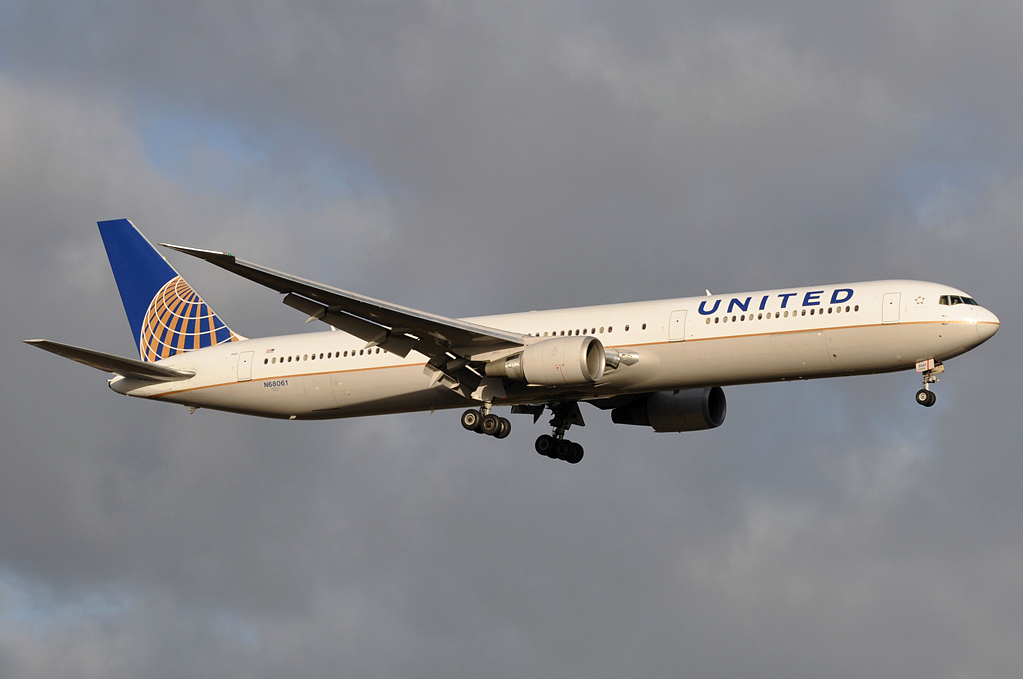
A seemingly juvenile prank brought a United Airlines transatlantic flight to a grinding halt on Saturday, May 30, 2026, after a passenger named their Bluetooth speaker “BOMB” and triggered a full emergency response that forced the aircraft to turn back to Newark Liberty International Airport.
The Bomb Scare Incident Onboard The United Airlines 767 from Newark…
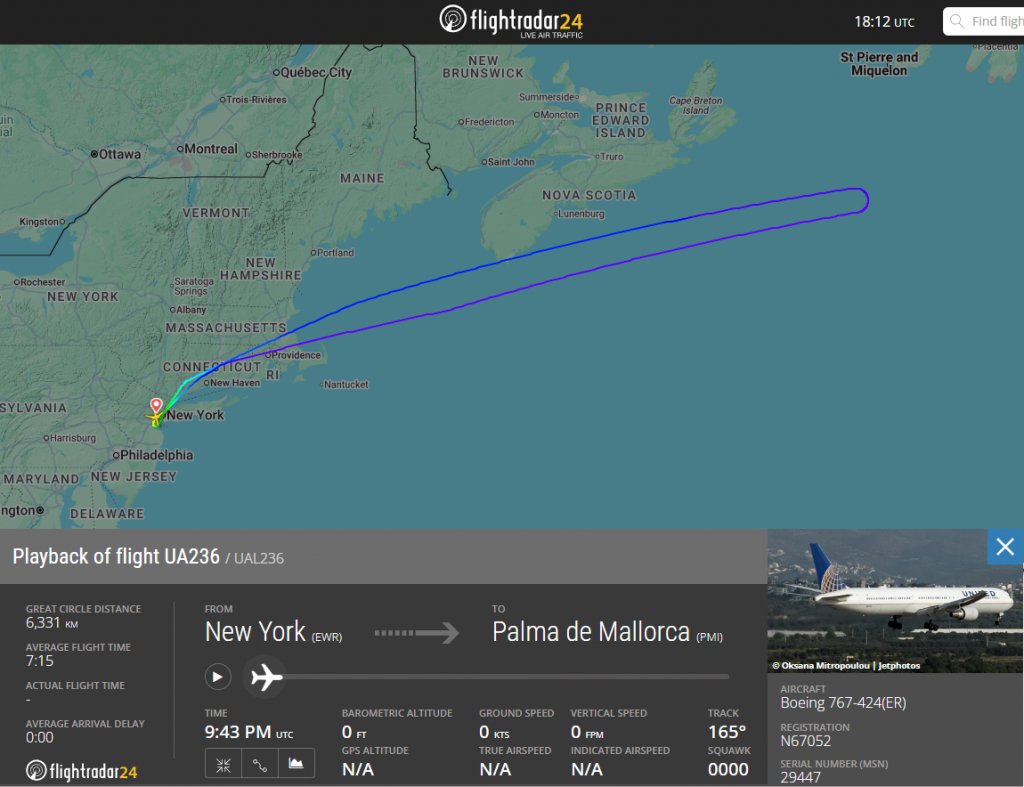
United Flight 236, operated by a Boeing 767-400ER, was bound for Palma de Mallorca, Spain, when the security situation escalated mid-flight, according to Simple Flying.
The flight had departed Newark at 6:08 PM local time and was roughly 60 minutes into its transatlantic journey when the trouble began.
A passenger later described the scene on Reddit.
A flight attendant came over the PA system and warned everyone aboard that all Bluetooth devices had to be switched off immediately or the plane would turn around.
The warning was repeated multiple times and the crew eventually issued a final one-minute ultimatum.
Despite the repeated announcements, compliance was not universal. Two Bluetooth devices remained active after the deadline passed.
With no guarantee the offending device had been switched off, the flight crew took decisive action.
The aircraft squawked 7700, the universal aviation code for a general emergency, and turned around, landing back at Newark at 8:50 PM after nearly three hours in the air.
The reason for the alarm soon became clear.
According to recordings from LiveATC.net, a United ground team member confirmed the Bluetooth device had been set to a “four-letter word,” later reported as “BOMB.”
Aftermath After Arrival…
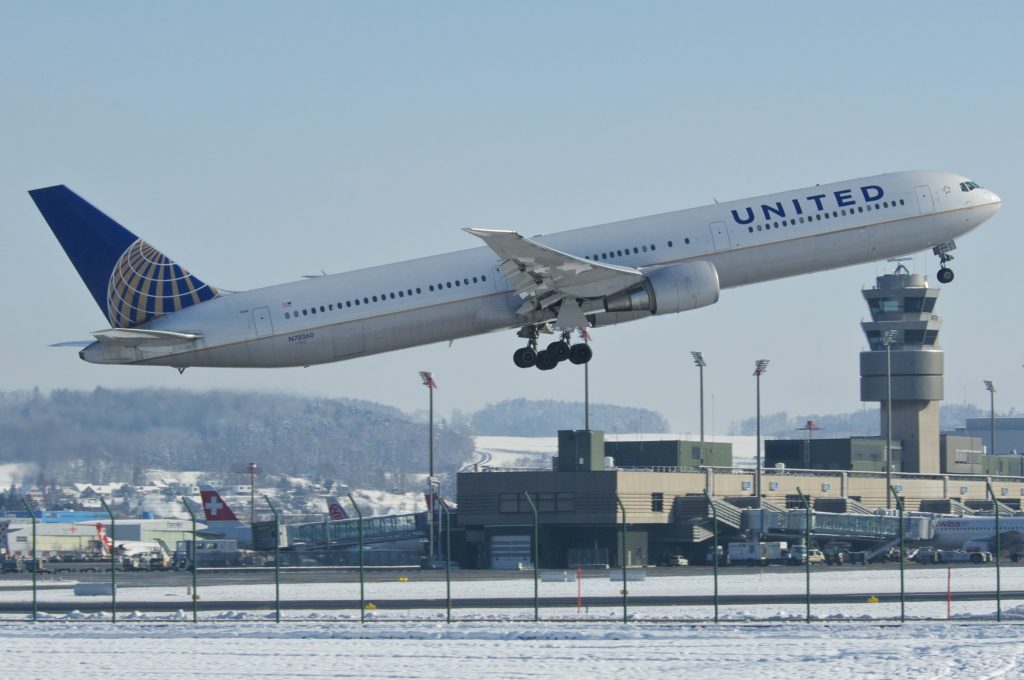
Early accounts indicated the offending device belonged to a teenage passenger.
Passengers on board were informed that up to ten agents would be waiting on the ground to identify the source of the threat.
The return to Newark was far from straightforward for those on board.
Passengers were instructed to leave all their belongings on the aircraft before deplaning, taking only their passports and phones.
After security teams completed their sweep, travellers were eventually able to depart on a replacement flight operated by the same Boeing 767-400ER, registration N67052, which did not take off until around 2:30 AM the following morning.
Before boarding, every passenger was required to clear TSA security a second time.
The incident is not without recent precedent.
Earlier in May, a United Airlines pilot issued a stern warning after a Wi-Fi hotspot with an inflammatory political name was detected on board, telling the responsible passenger they had “30 seconds” to change the name or the FBI would meet the plane.
Some observers have questioned the logic of anyone genuinely planning an attack advertising the fact via a discoverable device name.
Aviation security experts point out, however, that the threat of a bomb has historically been used as leverage in hijackings and hostage situations, meaning crews have no choice but to treat every incident as credible until proven otherwise.
For the hundreds of passengers on Flight 236, what should have been the start of a Spanish holiday turned into an exhausting overnight ordeal, all because of a name on a Bluetooth speaker.
Continue to follow The Aviation Hub for more analysis and insight!
Advertise with us Your brand, in front of an aviation audience Home page and in-article placements, sold directly, one advertiser per slot. From £250 a year. See the rates