
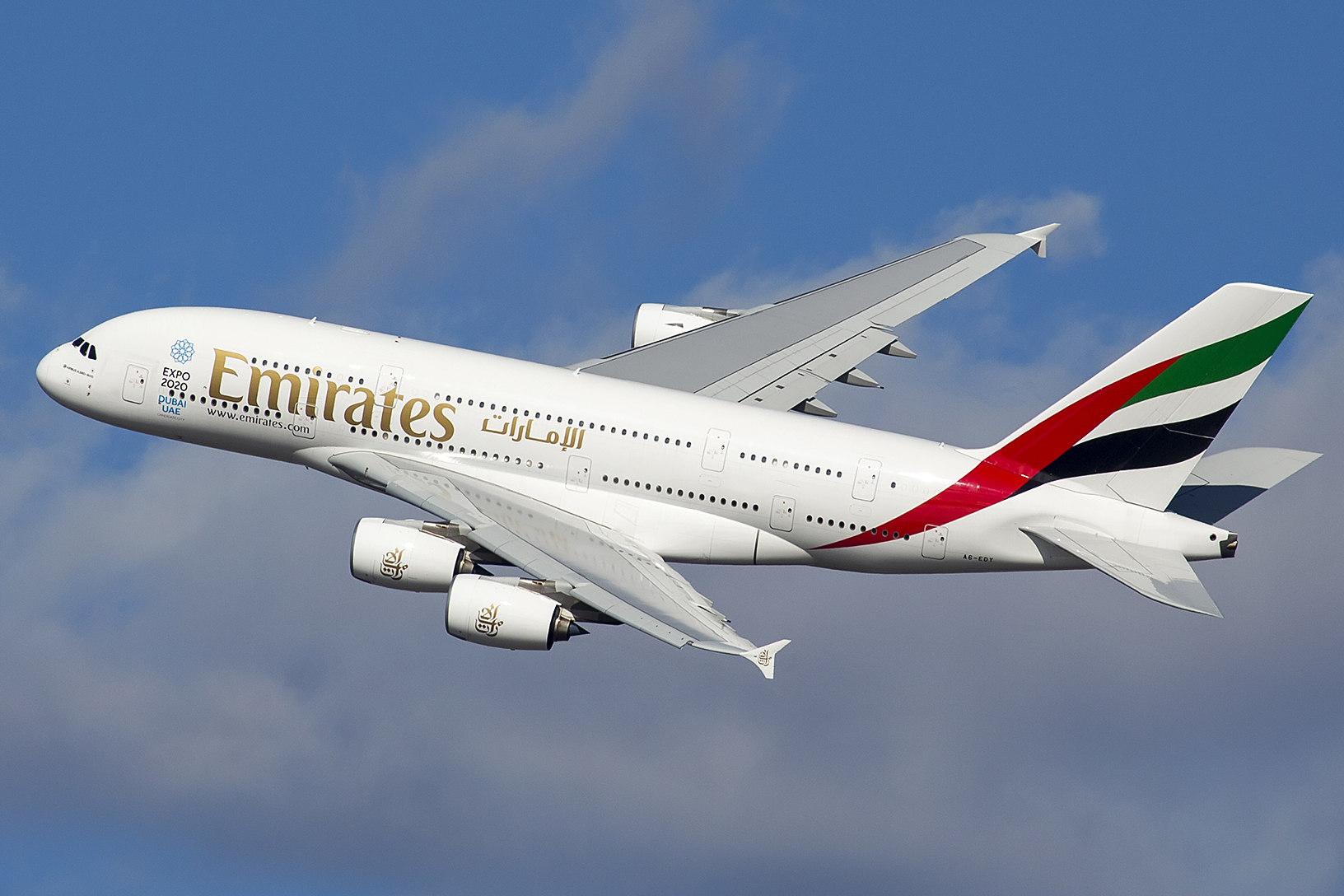
A Eurowings Airbus A320 suffered a wake turbulence encounter with an Emirates A380 over Bosnia and Herzegovina, leaving five people injured after the smaller jet was thrown around violently mid-climb.
Emirates A380 & The Eurowings A320: What Happened?
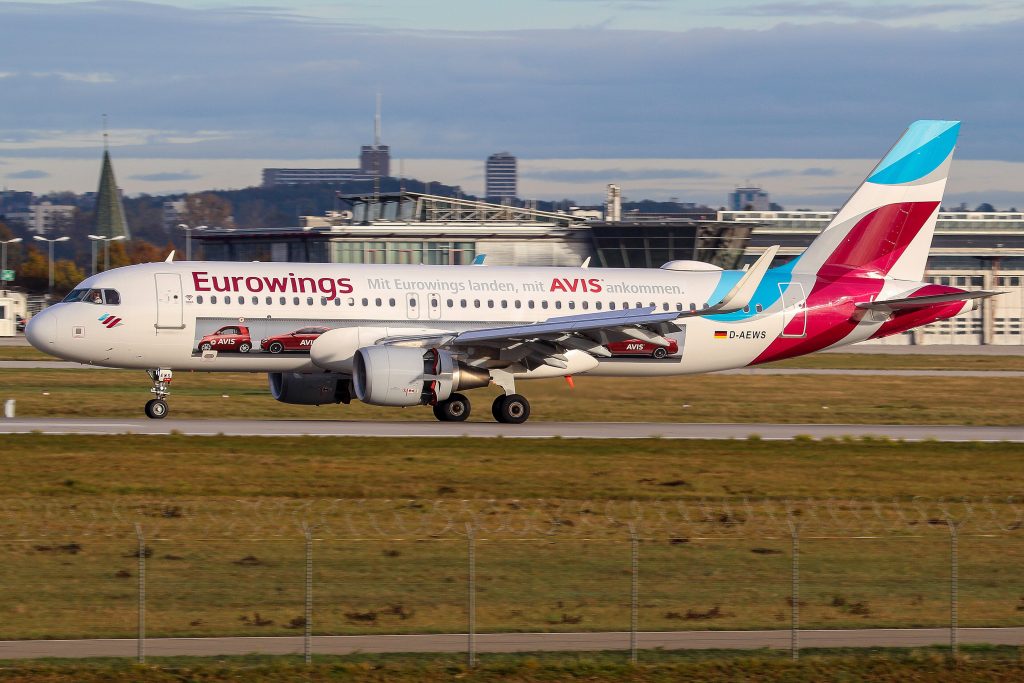
A Eurowings Airbus A320-200, registered D-AEWS and operating flight EW-635 from Rhodes, Greece to Cologne, Germany, was cruising at Flight Level 360 approximately 20 nautical miles east of Sarajevo when air traffic control cleared the aircraft to climb to FL380.
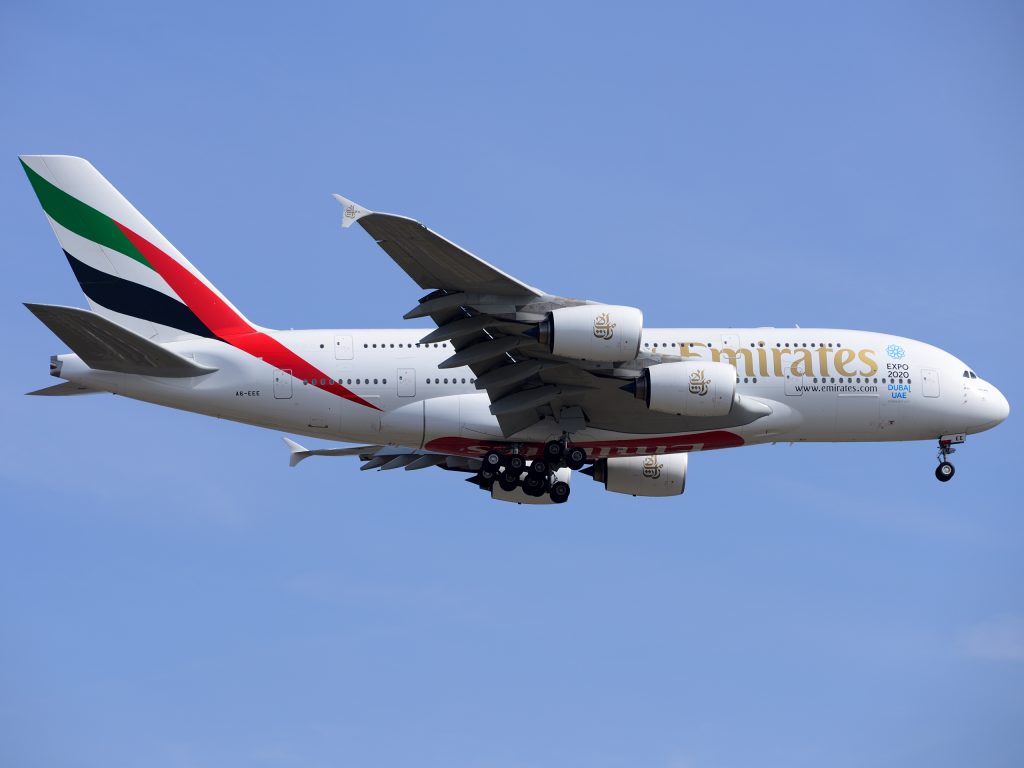
At the same time, an Emirates Airbus A380-800, registered A6-EUF and operating the flagship EK-1 service from Dubai to London Heathrow, was already at FL380 in the same area.
The super-jumbo was positioned around 13 nautical miles east-northeast of Sarajevo and approximately 7.6 nautical miles ahead of the Eurowings A320 at the time of the incident.
The Turbulence Encounter
As the A320 climbed through the altitudes, the crew encountered both atmospheric turbulence and wake turbulence generated by the A380 ahead.
The A320 stopped its climb at approximately FL376, falling just short of its cleared altitude, before descending back to FL360 at a rate of up to 3,000 feet per minute.
The sudden and violent upset caused significant disruption inside the cabin.
Four passengers and one flight attendant sustained minor injuries during the encounter, as per The Aviation Herald.
The flight attendant was reportedly thrown against the cabin ceiling during the most intense phase of the turbulence, highlighting just how severe the upset was despite the relatively modest separation distance between the two aircraft.
Arrival in Cologne and Aftermath
The A320 continued on its planned routing and landed at Cologne, where medical services were on standby to meet the aircraft.
The injured individuals were initially treated on board before being transported to a local hospital for further assessment.
Both the Cockpit Voice Recorder and the Flight Data Recorder were secured following the incident, indicating a formal investigation was to follow.
The Emirates A380 was unaffected by the encounter and continued its journey to London Heathrow, landing safely without incident.
The Eurowings A320 remained on the ground in Cologne for approximately four and a half hours following its arrival.
The aircraft eventually returned to service, though it departed for its next sector with a delay of around three and a half hours.
The Wake Turbulence Question Following Incident Involving Emirates A380…
The incident raises important questions about separation standards.
According to ICAO recommendations, the minimum separation between an A380, classified as Super category, and a trailing A320, classified as Medium weight, at the same altitude or 1,000 feet below should be 7.0 nautical miles.
At the time of the encounter, the A320 was approximately 7.6 nautical miles behind the A380, placing the separation only marginally above the recommended minimum.
Wake turbulence from the A380 is well documented as particularly hazardous due to the sheer size and weight of the aircraft.
The powerful wingtip vortices generated by the four-engine superjumbo can persist for several minutes and extend considerable distances behind the aircraft, posing a real risk to lighter aircraft following on similar flight paths.
Continue to follow The Aviation Hub for more analysis and insight!
Advertise with us Your brand, in front of an aviation audience Home page and in-article placements, sold directly, one advertiser per slot. From £250 a year. See the rates
1 comment