
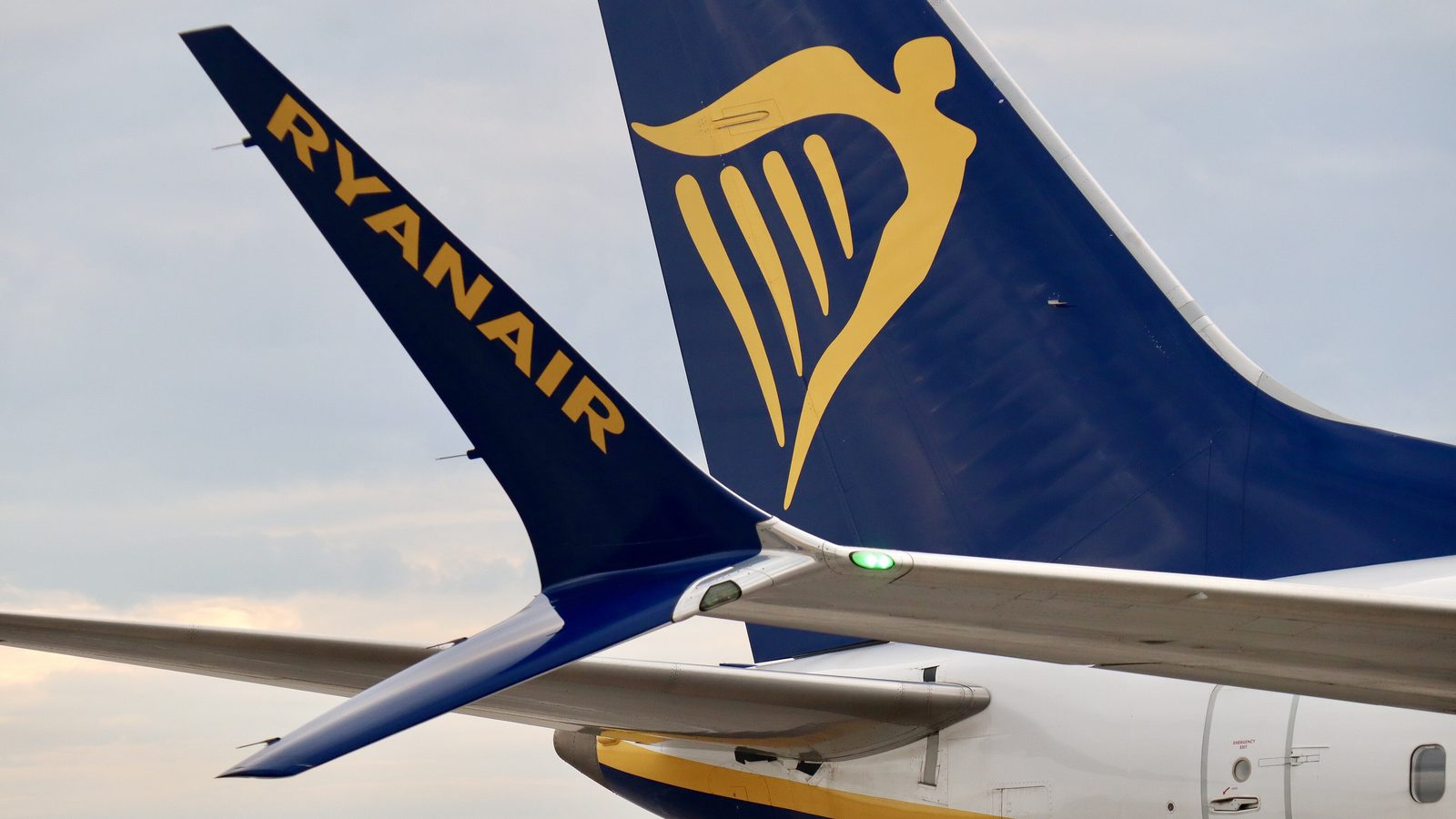
Ryanair has been a very popular airline for quite some time now. How have they managed to do this? Find out as we try to explore how the Irish low-cost carrier is so successful.
Ryanair carried 208.4 million passengers in the financial year to March 2026, more than any other airline group in Europe, and it did so while posting a net profit of €2.26 billion.
Ryanair’s FY26 results showed profit after tax up 40 percent year on year on group revenue of €15.54 billion, itself up 11 percent.
The airline has now topped the European passenger ranking for seven consecutive years, and its lead over second placed Lufthansa Group has widened from 7.2 million passengers in 2019 to 71.4 million in 2025.
No rival has come close to matching that combination of scale and consistent profitability.
This article sets out the operational and commercial decisions behind it.
Ryanair: A Low Cost Model Built On Discipline
Ryanair’s founding insight, borrowed and refined from Southwest Airlines in the United States, is that a single minded focus on cost per seat beats almost any other competitive advantage in aviation.
Michael O’Leary rebuilt the airline around that principle in the 1990s and it remains the organising logic of every decision the carrier makes today.
Every euro stripped from the cost base becomes a euro that can either lower the headline fare or drop straight to the bottom line.
That discipline shows up everywhere, from the standard uniform crews wear to the refusal to offer interline agreements with other carriers.
Ryanair does not chase premium passengers or business travellers in the way legacy network airlines do.
It instead sells enormous volumes of seats at fares low enough to stimulate demand that would not otherwise exist, then recovers margin through the services layered on top of the ticket.
Ancillary Revenue Is The Real Profit Engine for Ryanair…
The average Ryanair fare in FY26 was €50.60, but the airline collected a further €24 per passenger in ancillary revenue from bags, seat selection, priority boarding and onboard sales.
Across 208.4 million passengers, that ancillary income alone approaches €5 billion a year, and it carries far higher margins than the flight itself because it involves almost no additional marginal cost once the aircraft is airborne.
This is the mechanism that lets Ryanair advertise headline fares that look almost implausible while still generating industry leading profit.
The base ticket essentially buys a seat and nothing else, and passengers who want anything more pay for it separately.
Critics have long complained about this unbundling, yet it has proven remarkably durable because it gives price sensitive travellers genuine choice over what they pay for.
One Aircraft Family Simplifies Everything
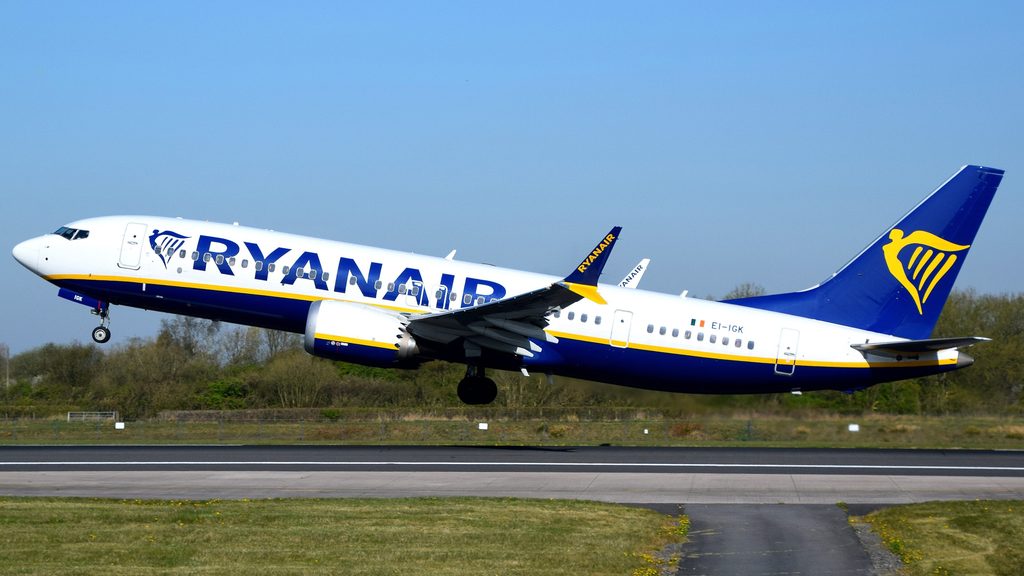
Ryanair operates an almost entirely Boeing narrowbody fleet, and that standardisation is deliberate.
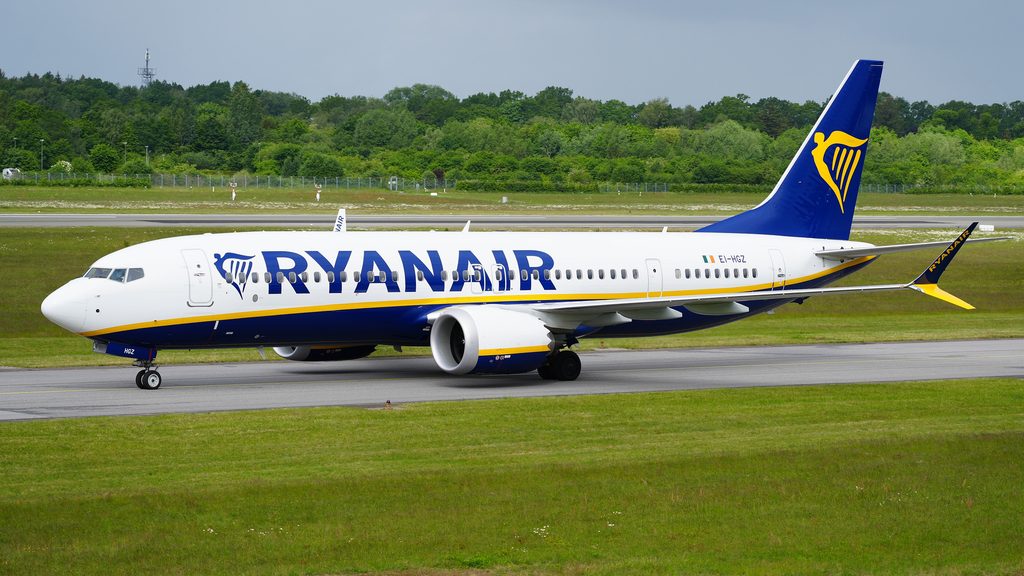
The current fleet runs to 647 aircraft, overwhelmingly Boeing 737 variants, with just 26 Airbus A320s flying under the Lauda brand as a minor exception.
Every pilot can be trained across nearly the entire fleet, every engineer works on one core airframe, and spare parts inventory does not need to be split across multiple aircraft types.
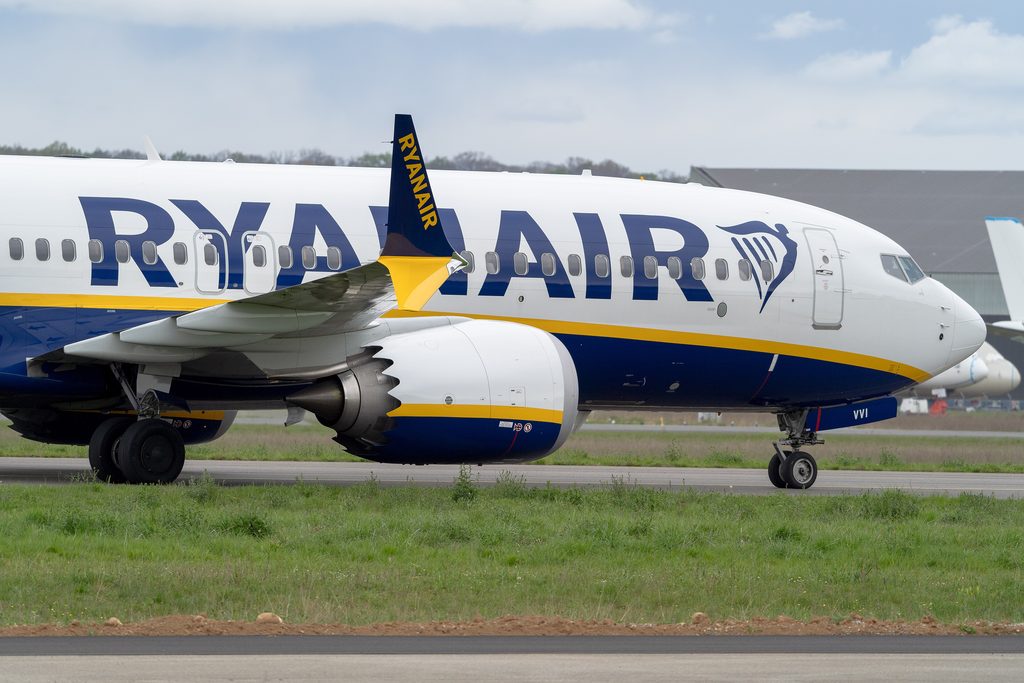
The airline is now taking delivery of the Boeing 737-8200, marketed as the Gamechanger, which carries four percent more passengers than the previous generation while burning 16 percent less fuel and generating 40 percent less noise.
Ryanair has committed 22 billion dollars to 210 of these aircraft, and a further order for up to 300 Boeing 737 MAX 10 aircraft, each seating around 228 passengers, will extend the same single type strategy into the next decade.
Fewer aircraft types means lower unit costs, and Ryanair has held unit cost growth to just one percent even as operating costs rose six percent in FY26.
Ryanair & The Twenty Five Minute Turnaround
Aircraft only make money while they are flying, and a jet sitting on a stand earns nothing for its owner.
Ryanair’s operating model is built around minimising that dead time, targeting a turnaround of around twenty five minutes between an aircraft landing and departing again on its next sector.
Budget carriers of this kind typically keep aircraft flying for eleven to thirteen hours a day, compared with six to eight hours for many traditional network carriers, and that extra utilisation spreads the fixed cost of each aircraft across far more revenue generating flights.
The turnaround itself relies on boarding through both aircraft doors simultaneously, minimal onboard catering that avoids slow galley cart changes, cabin crew handling light cleaning duties themselves rather than waiting for a separate team, and a strong preference for passengers travelling with cabin baggage only.
None of these choices is dramatic on its own, but together they let Ryanair schedule more rotations per aircraft per day than most competitors manage.
Secondary Airports And A Point To Point Network
Ryanair rarely flies into the primary hub airports that legacy carriers favour.
It instead builds its network around secondary and regional airports, which charge lower landing fees, offer shorter taxi times and rarely suffer the congestion that adds delay and cost at major hubs.
Airports competing for Ryanair’s business have often offered incentive deals to secure new routes, further lowering the airline’s cost base.
The network itself is built purely on point to point flying rather than a hub and spoke model.
Aircraft fly directly between city pairs without connecting passengers, transferred baggage or the knock on delays that ripple through a hub when one inbound flight runs late.
That simplicity keeps operations predictable and keeps the twenty five minute turnaround achievable at scale across hundreds of routes.
Hedging Fuel And Managing Costs Through Volatility
Fuel remains one of the largest single costs for any airline, and Ryanair manages its exposure through disciplined hedging rather than leaving itself at the mercy of spot prices.
Heading into FY27, the airline had roughly 80 percent of its fuel needs hedged at around 67 dollars a barrel through April 2027, a position management credited with helping the airline absorb recent geopolitical volatility in energy markets without passing the full cost through to passengers.
This kind of forward planning reflects the same underlying philosophy that shapes the rest of the business.
Costs that can be forecast and controlled are forecast and controlled, leaving fewer variables that could threaten the low fare model when conditions turn difficult.
Fighting To Keep Bookings Direct
Ryanair has also fought hard against online travel agents that resell its tickets at a markup without authorisation.
In December 2023, the Irish High Court granted a permanent injunction against a screen scraping operator that had been extracting fare data from Ryanair’s website in breach of its terms of use.
Ryanair argued that unauthorised resellers create fraudulent accounts, block passengers from managing their own bookings and intercept important travel communications such as check in reminders.
Pushing customers toward ryanair.com and its own app protects margin that would otherwise leak to intermediaries, and it also protects the ancillary revenue stream described earlier, since add ons sold through unofficial resellers rarely flow back to the airline at all.
Growing Despite Boeing Delivery Delays
None of this growth has come easily.
Boeing’s ongoing production and delivery delays have repeatedly forced Ryanair to trim its passenger growth targets, and the airline has been vocal in public about the disruption this causes to its expansion plans.
Even so, Ryanair still expects to carry around 216 million passengers in the current financial year, building on the 208.4 million it carried in FY26 and the milestone reached the year before that, when it became the first European airline to carry more than 200 million passengers in a single year.
That resilience in the face of a genuine supply chain constraint says as much about the strength of the underlying model as any single statistic.
A less disciplined airline facing the same aircraft shortage might have seen margins erode.
Ryanair instead posted record profits, which suggests the cost advantages built into its model have room to absorb shocks that would seriously damage less efficient competitors.
The Compounding Effect
No single decision explains Ryanair’s success.
The low fare model draws in passenger volumes that competitors cannot match, the ancillary revenue layered on top of those low fares protects margin, the single aircraft family keeps training and maintenance costs low, and the fast turnaround combined with a point to point network lets a smaller fleet fly more hours than rivals manage.
Fuel hedging and a determined defence of direct bookings then protect that margin from being eroded by external volatility or unauthorised resellers.
Each element reinforces the others, and none would work as well in isolation. That is ultimately the lesson other carriers have struggled to copy.
Ryanair’s success is not the product of one clever idea but of an entire operating system built, tested and refined over three decades, with every part of the business pointed at the same goal of keeping unit costs as low as they can possibly go.
Continue to follow The Aviation Hub for more analysis and insight!
Advertise with us Your brand, in front of an aviation audience Home page and in-article placements, sold directly, one advertiser per slot. From £250 a year. See the rates